Pediatric Dentistry in Cibolo, TX
Why Cibolo Loves Able Dentistry
Pediatric Dentistry, Done With Heart and Science
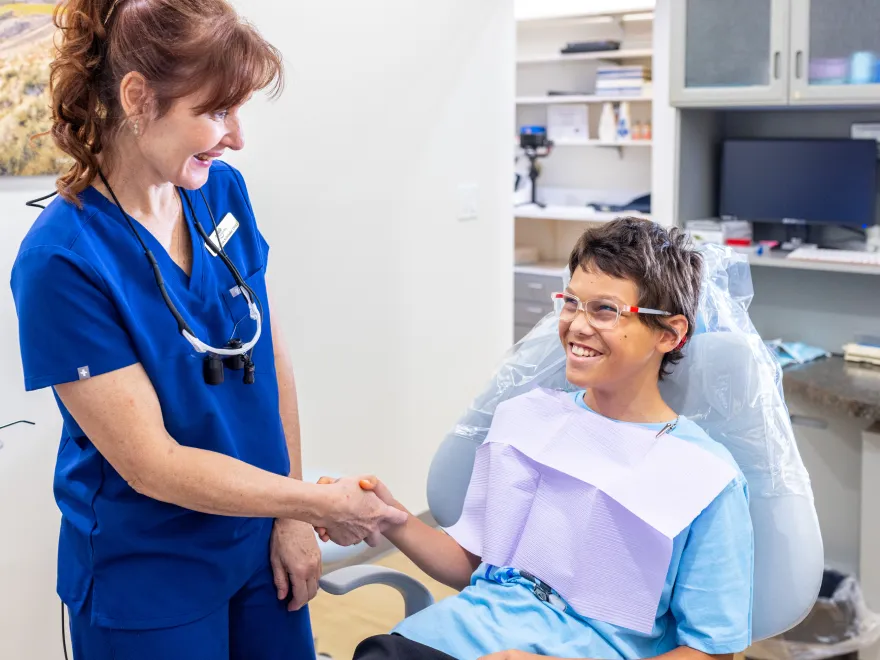
We Welcome Children
Dr. Schroeder loves caring for kids because small wins today build lifelong health. She turns fear into comfort, teaches habits that stick, and celebrates every brave step. Seeing a child sleep better and smile with pride is why she brings the same patience and encouragement to every visit.
When to Schedule
Most children do well with checkups every six months. If we’re monitoring growth, airway, braces, higher cavity risk, or specific medical needs, we may suggest visits every three to four months to keep progress on track and stress low.
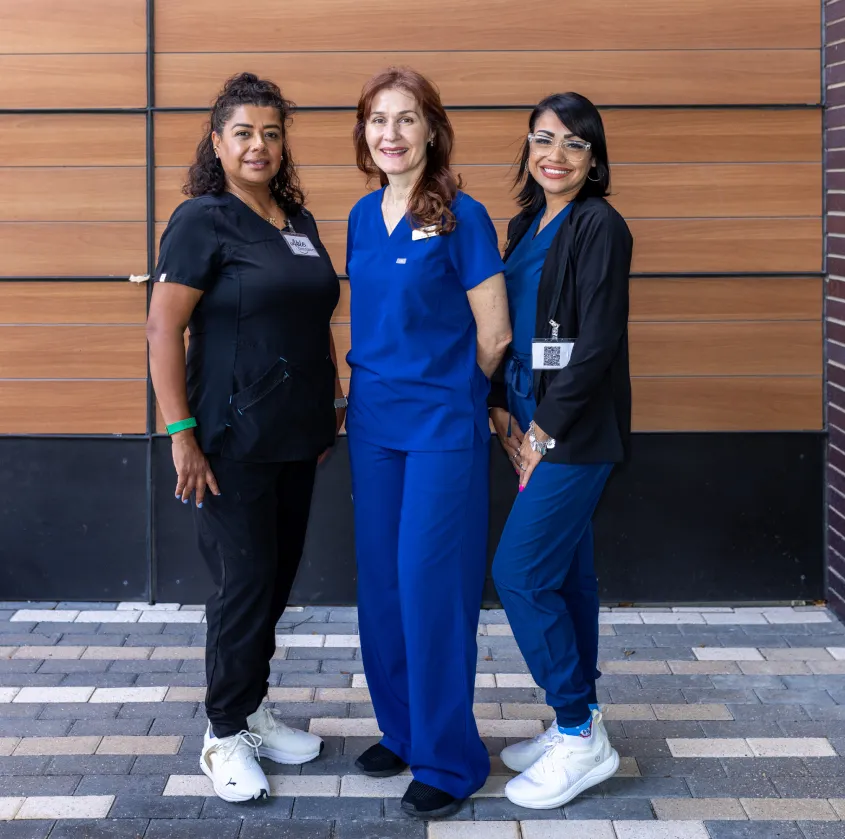
Our Promise to Families
No pressure. No judgment. Just clear guidance and gentle care that supports your child’s health today and their confidence for years to come. If you’re ready to get started—or want a second opinion—we’re here to help.
A Calm Start for Confident Smiles
Your first visit begins with a hello, not a drill. We ask about habits, sleep, snoring, mouth-breathing, thumb or pacifier use, diet, and brushing—then tailor care to your child’s needs. You’ll hear clear explanations and see images on screen, so decisions feel easy and informed.
- Gentle cleanings and thorough exams
- Cavity risk check and gum health review
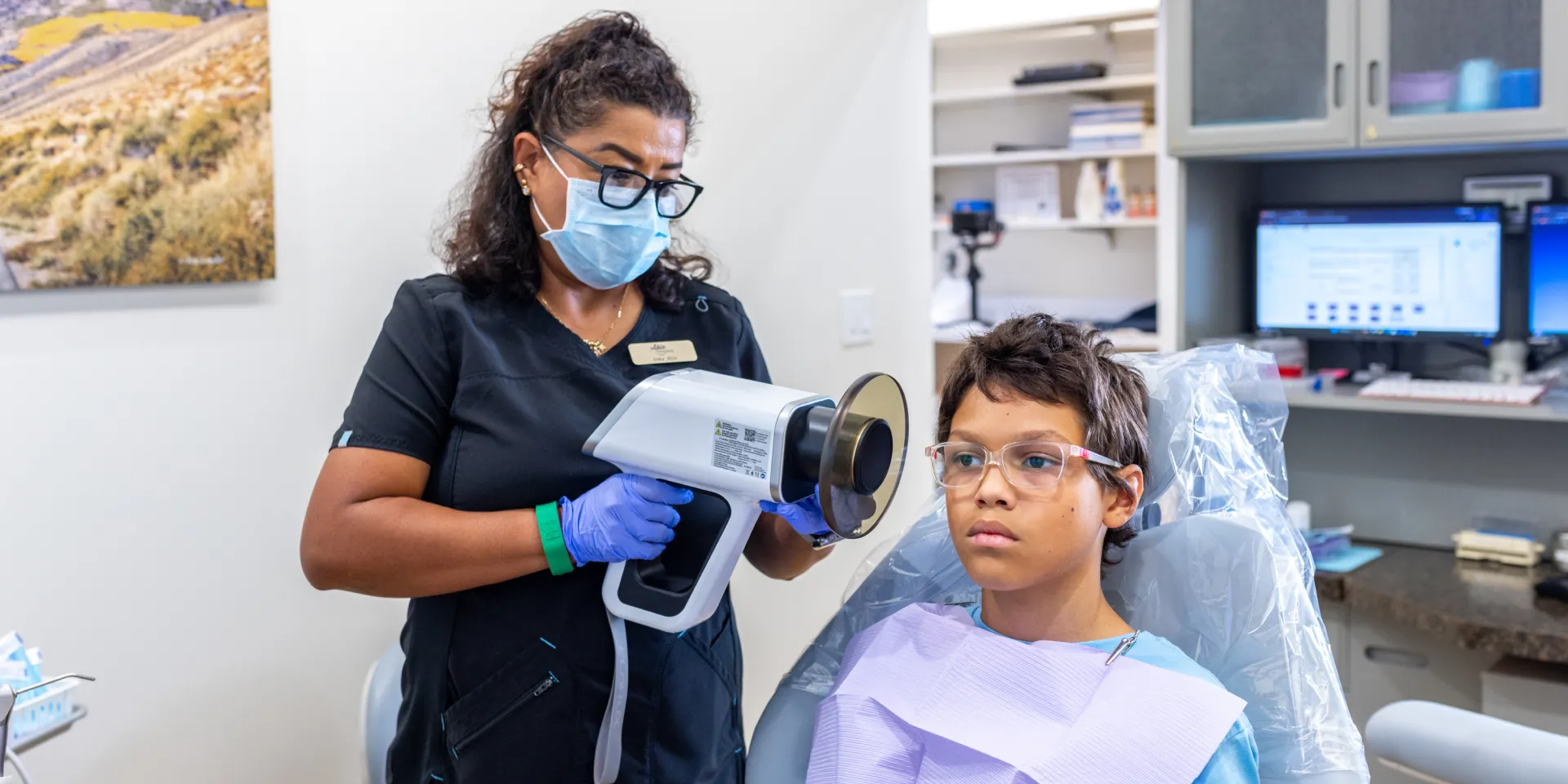
- Digital X-rays only when needed
- Oral development and airway screening
Whole-Person, Whole-Health Care
A healthy mouth supports better sleep, focus, and growth. We look beyond cavities to how the bite, jaws, and airway work together.
- Mouth-breathing, snoring, or restless sleep can signal a narrow airway
- A tight bite or crowded teeth can stress muscles and joints
- Small, early changes often bring big relief over time
We connect the dots and outline simple steps you can start right away—at home and in the office.
Airway & Growth: Why Early Matters
Most facial growth happens at night. Habits like thumb-sucking or chronic mouth-breathing can shape how the jaws and airway develop. Early guidance helps us encourage healthy patterns and room for teeth.
- Coaching to reduce habits gently
- Nasal breathing tips and bedtime routines
- Nutrition and home-care guidance that fits real life

Early Orthodontics (Phase 1)
When growth needs a nudge, we use light, age-appropriate orthodontic approaches—often removable or low-force appliances—to guide jaws and create space for incoming teeth.
- Expansion or guidance appliances can improve airway and alignment
- Girls often benefit from checks around ages 5–8
- Boys may be ready up to about ages 6–9
- Step-by-step plans with clear goals and timelines
You’ll always know the “why,” the plan, and what to expect at each stage.
What Parents Can Expect
We keep visits predictable and positive, with plenty of encouragement and breaks when needed.
- Kid-friendly explanations and choices
- Desensitizing, tell-show-do techniques
- A play area and comfort items to ease nerves
- Options to group family appointments
Between-Visit Care Made Doable
Small habits add up. We keep it practical.
- Brush twice daily with a soft brush and toothpaste
- Clean between teeth daily (flossers work great for kids)
- Water over frequent sugary snacks or drinks
- Replace toothbrushes every 3–4 months
- Ask about custom sports mouthguards for active kids

Meet Dr. Antonela Schroeder
Same-Day Emergency Care
All Ages Welcome


Dr. Antonela Schroeder
Hello, I’m Dr. Antonela Schroeder. I’m so glad to meet you. As a dentist, I see the smile as a window that opens up. I’m here to help you open up your smile to the world and enjoy all the oral health benefits that come along with that.
Why I Chose This Work
I became a dentist because I know what it feels like to be scared of dental care. I grew up in Romania, where numbing wasn’t used for most procedures. That fear stayed with me—until my grandfather, who was a dentist, helped me see how powerful a calm, caring approach could be. He listened. He explained things. He moved slowly. He earned my trust.
That’s how I practice today.
How I Care for You
- I listen first. Your story shapes the plan.
- I explain everything in plain language. No pressure, no surprises.
- I work gently and move at your pace. You’re always in control.
- I connect oral health with whole-body health because they’re linked more than most people think.
Associations
Fun Facts
My Treatment Approach
It’s not just about your teeth. It’s about how you feel. When you walk into my office, I want you to feel safe and supported—not rushed or overwhelmed. Here’s what you can expect:
- I listen to your concerns before I ever pick up a mirror.
- I explain what I see and what your options are—no pressure.
- I move at your pace and adjust care based on your comfort.
- I connect the dots between your oral health and overall wellness.
Every person is different. That’s why your treatment plan should fit your needs, your timeline, and your life.
What Shaped My Approach
Fixing the problem starts with finding the cause.
Quick fixes might solve things in the moment, but they don’t always last. I take time to understand the full picture—your bite, your breathing, your posture, even how you sleep. When we treat the root cause, everything else gets easier.
That’s how we build results that actually stick.
Education and Growth
You deserve the latest tools and the gentlest techniques.
I’ve been practicing dentistry for over 25 years, but I never stop learning. I stay up to date with tools and treatments that make care more precise, more comfortable, and more effective. Some of the things I use include:
- Digital imaging (CBCT), lasers, and intraoral scanners
- Invisalign® and facial esthetic services
- Jaw and bite balance therapies
- Biocompatible materials and ozone therapy
- Advanced techniques that support natural healing
I bring what I learn back to Able Dentistry so you get clear guidance and choices that fit your life.
Caring for Kids and Supporting Parents
Fixing the problem starts with finding the cause.
Early checks = fewer problems later on.
Helping kids build good habits early makes a big difference later. I offer growth-focused exams to spot signs like thumb-sucking, narrow arches, or mouth-breathing. These small things can affect sleep, focus, and even confidence.
For most kids, a good time to start is around age 5–8 for girls and up to 6–9 for boys. We’ll keep it simple, supportive, and pressure-free.
What You Can Expect With Me
- I listen before I look
- I explain each step and check in often
- I never push beyond your comfort zone
- I focus on long-term health, not quick fixes
- I’m with you from the first conversation to the final smile
If you want a dentist who treats you like a partner in your health, I’d be honored to care for you at Able Dentistry.
Ongoing Education & Affiliations
Your care deserves more than the basics. That’s why I stay active in professional communities that support clinical growth and patient comfort.
I'm a member of:
- The American Dental Association (ADA)
- The International Association of Orthodontics (IAO)
- The International Dental Implant Association (IDIA)
- A collaborative network within the neuromuscular dentistry community
To expand how I care for both form and function, I also hold certifications in:
- Invisalign®
- Facial esthetics and injectables
These tools help me support your oral health and overall wellness—so you feel as good as you look.
How We Make Dentistry Better

Latest Technology
Insurance Made Easy
Everything Under One Roof
No Judgment Zone
Frequently Asked Questions
Does my child need a mouthguard for sports?
If they play contact or high-impact sports, a custom mouthguard helps protect teeth and jaws. Ask us about options during your visit.
Do sealants and fluoride really help?
Yes. Sealants protect the grooves of back teeth where cavities often start, and fluoride strengthens enamel. We’ll discuss what’s right for your child.
How can I reduce cavities at home?
Brush twice daily with fluoride toothpaste, clean between teeth once a day, and limit frequent sugary snacks and drinks. Offer water often and save treats for mealtimes.
What is an airway screening and why does it matter?
We look for signs like mouth-breathing, snoring, restless sleep, and narrow arches. Healthy breathing supports better sleep, focus, growth, and mood.
When should orthodontic checks start?
Early checks around ages 6–7 help us see if space, bite, or jaw growth needs guidance. Girls often benefit from earlier evaluation (around 4–9), while boys may be ready up to 12–13.
What happens at my child’s first appointment?
We start with a friendly hello and a conversation about habits, diet, sleep, and concerns. Then we do a gentle exam, cleaning if appropriate, and share simple tips for home.
How do you help anxious kids feel comfortable?
We use tell-show-do, kid-friendly language, short visits when helpful, and plenty of breaks. Parents can stay close, and we move at your child’s pace.
Are dental X-rays safe for children?
Yes. We use digital X-rays with very low radiation and take them only when needed. We’ll explain why an image helps before we take it.
How often should kids see the dentist?
Most children do well with checkups every six months. If we’re monitoring growth, airway, braces, or higher cavity risk, we may suggest visits every three to four months.
When should my child have their first dental visit?
We recommend the first visit by their first birthday or when the first tooth appears. Early visits build comfort and help us spot small issues before they grow.
Affordable Care, Flexible Options